Floor Sanding Tips · 8 min read
Before and After: Real Stories of Floor Restoration Across Edinburgh & the Lothians
Real floor restoration case studies from Edinburgh properties. See how Victorian tenements, Georgian flats, and flood-damaged floors were transformed—the challenges, process, and results.
Valesterra

Numbers and techniques only tell part of the story. What actually happens when worn, damaged, or neglected wooden floors meet professional restoration?
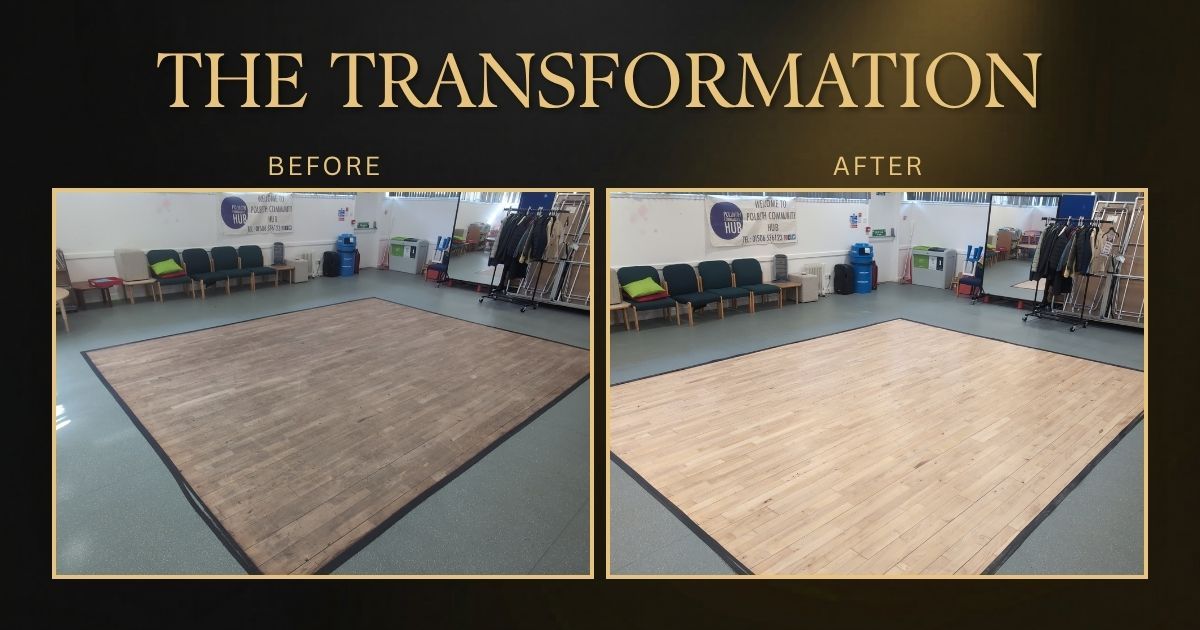
These floor restoration Edinburgh case studies show real transformations—the challenges, the process, and the results. Each represents properties and problems typical of the area, demonstrating what's possible when experience meets quality equipment.
Case Study 1: Victorian Tenement, Marchmont
The Property
A top-floor tenement flat in one of Marchmont's classic Victorian buildings. Original pitch pine floors throughout, untouched beneath carpet for at least 40 years.
The Challenge
Pulling up carpet revealed floors in mixed condition. Living room boards were intact but heavily scratched and stained with decades of accumulated dirt ground into the grain. Hallway showed significant wear patterns—dark traffic lanes contrasting with lighter protected edges.
Previous owners had painted the bedroom floor with grey floor paint, now peeling and flaking. The bathroom threshold had water damage from years of condensation and occasional overflow.
The Process
Moisture testing showed acceptable levels throughout—critical confirmation before proceeding. The water-damaged bathroom threshold boards required replacement with reclaimed pitch pine sourced to match.
Sanding began with 40 grit to cut through accumulated grime and paint. The grey bedroom floor required two passes at coarse grit before clean wood appeared. Progressive sanding through 60 and 100 grits produced consistent surfaces.
Gap filling used resin mixed with floor dust—matching the distinctive amber tone of century-old pine. All gaps under 5mm filled successfully; a few larger gaps near walls received sliver repairs.
Finishing with hardwax oil enhanced the wood's warmth while providing durable protection suitable for rental use (the owner planned to let the property).
The Result
Unified honey-gold floors throughout, retaining character marks while removing damage. The owner described the transformation as "revealing a flat we didn't know we had." The floors became the property's strongest feature in rental marketing.
Client Feedback
"We'd assumed the floors were beyond saving—the bedroom especially looked hopeless under that grey paint. Now they're the first thing everyone comments on. Wish we'd done this years ago."
Case Study 2: Edwardian Semi, Morningside
The Property
A substantial 1910 semi-detached house with original hardwood floors—a mix of oak in reception rooms and pine elsewhere. The family had lived there 15 years with floors under carpet.
The Challenge
The oak living and dining room floors had been French polished originally, creating a beautiful but fragile finish now crazed and peeling. Pine floors elsewhere showed typical wear but also evidence of woodworm treatment from decades past—chemical staining in patches.
One corner of the dining room had water damage from a long-fixed roof leak. Boards were cupped and discoloured.
The Process
The cupped dining room corner was the critical decision point. Moisture testing showed current levels were acceptable—the roof had been fixed years ago. We monitored over a week to confirm stability before proceeding.
Sanding the French polish from oak required patience. The aged finish had bonded differently across the surface, demanding careful attention to avoid patches of remaining residue. Multiple passes at medium grit addressed this.
Pine floors with chemical staining required acceptance—some marks wouldn't sand out completely without removing dangerous amounts of timber. We discussed this with the client, who appreciated the honesty and preferred character over perfection.
Water-damaged oak was sanded flat once boards stabilised. Some colour variation remained but blended with overall patina once oiled.
All floors received hardwax oil finish—the oak in a natural tone enhancing grain richness, the pine with a white-tinted oil to brighten while masking remaining staining.
The Result
Distinct character between reception rooms (rich oak) and secondary spaces (lighter pine), both beautifully restored. The water-damaged corner is now detectable only to those who know where to look.
Client Feedback
"We expected to be told those water-damaged boards needed replacing. The fact they were saved—and look beautiful—exceeded all expectations. The oak floors are stunning, proper Edwardian elegance."
Case Study 3: New Town Flat, Edinburgh
The Property
A first-floor Georgian flat in Edinburgh's New Town. Wide pine boards, likely original to the early 1800s building. The property was being prepared for sale after 30 years of family ownership.
The Challenge
Historic properties bring historic problems. These boards had been sanded multiple times before—thickness was reduced, particularly at edges. Previous gap-filling attempts had failed, with dried filler now crumbling from joints.
The hallway showed severe wear at the entrance, with boards noticeably thinner than surrounding areas. One reception room corner had been patched with mismatched timber at some point in the building's long history.
The Process
With limited timber thickness remaining, aggressive sanding wasn't an option. We used a detailed assessment to plan minimal material removal while achieving consistent results.
Failed filler was removed entirely—a time-consuming process but necessary for proper repair. New resin filler in correct colours restored clean joint lines.
The worn hallway section received special attention. Rather than attempting to level (which would have removed too much timber), we blended the transition through careful feathering, making wear gradual rather than abrupt.
The mismatched patch in the reception room was a judgement call. Removing it risked damage to surrounding historic boards. After discussion with the client, we kept it and used stain matching to reduce contrast. It remains visible to a trained eye but no longer jumps out.
Finish was a traditional oil suitable for the period property—penetrating protection that allows the building to breathe while enhancing the timber's aged patina.
The Result
Floors that honour the building's Georgian character while presenting beautifully for sale. The estate agent specifically highlighted the restored floors in marketing materials.
Client Feedback
"Thirty years we lived with those floors covered. Selling the flat prompted finally doing something about them, and we almost regret not doing it for ourselves. The buyers mentioned the floors as a key factor in their decision."
Case Study 4: Rental Portfolio Refresh, Leith
The Property
Three studio flats in a converted Leith warehouse, owned by a professional landlord. All required floor restoration during tenant turnover—a tight timeline between occupancies.
The Challenge
Rental properties accumulate damage. Drag marks from furniture, water marks near kitchenettes, worn paths between rooms. Previous polyurethane finishes had scratched and dulled but couldn't simply be recoated without sanding.
The commercial context demanded durability, fast turnaround, and predictable costs. Aesthetic perfection mattered less than practical performance.
The Process
We scheduled consecutively, moving equipment between units efficiently. Standard restoration process applied: coarse sanding to remove existing finish, medium and fine grits for surface quality, proper gap filling throughout.
For rental specification, we applied commercial-grade water-based lacquer—three coats for maximum durability. This finish resists wear better than oils, simplifies tenant cleaning, and recoats readily when needed.
Turnaround for each unit was two days: one for sanding and filling, one for finishing (two coats same day with fast-cure product, third coat morning of day two).
The Result
Consistent, practical floors across all three units. The landlord appreciated predictable pricing and minimal void periods. Tenants benefit from clean, bright floors that perform well under rental use.
Client Feedback
"Floor restoration used to mean lost rent and uncertain costs. This was priced upfront, delivered on schedule, and looks professional. Exactly what portfolio management requires."
Case Study 5: Post-Flood Recovery, Stockbridge
The Property
A ground-floor tenement flat in Stockbridge, affected by burst pipe flooding during a February cold snap. Insurance covered initial cleanup but not floor restoration.
The Challenge
The hallway and one bedroom were saturated. Initial assessment found moisture readings at 24%—far above the 12-14% maximum for safe sanding. Boards were cupped throughout the affected area, with some lifting at joints.
The client wanted the cheapest possible solution, having already paid excess on insurance. They asked whether they could "just sand it" to save money.
The Process
We explained the risks clearly: sanding wet timber wastes money—finishes fail, cupping turns to crowning, the job needs redoing properly anyway. Proper drying first saves money overall.
Professional drying equipment ran for two weeks. Air movers accelerated evaporation from floor surfaces while dehumidifiers extracted moisture from air. We monitored weekly, adjusting equipment positioning as wet zones shifted.
Once readings stabilised at 11-12%, we waited another week for equilibration—surface and core moisture content aligning. Only then did restoration begin.
Sanding removed cupping (boards had largely flattened during controlled drying). Minor board displacement was corrected with screws into joists. Standard gap filling and oil finishing completed the restoration.
The Result
Complete recovery from flood damage. The floor shows no evidence of the water event and performs normally. Total cost was significantly less than replacement would have been—and covered functionality that insurance restoration didn't address.
Client Feedback
"Honestly, I thought you were just trying to sell more services when you said we needed drying first. Six months later, the floors are perfect. Neighbours who skipped drying are dealing with problems. I'm glad we listened."
Your Floors Have Stories Too
Every wooden floor in Edinburgh has history—decades of family life, celebrations, ordinary days. Restoration reveals and honours that history while preparing floors for decades more use.
If your floors are hiding under carpet, or showing their age, or recovering from damage, professional restoration can transform them. These case studies represent what's possible—and what Valesterra delivers across Edinburgh and the Lothians every week.


Thinking about your own floor?
Get in touch for a free survey and a fixed written quote within 24 hours.