Floor Sanding Tips · 9 min read
DIY or Pro? Choosing Between Floor Sanding Hire and Professional Service
Should you hire equipment and tackle floor sanding yourself, or bring in professionals? An honest comparison to help you decide what's right for your floors, skills, and expectations.
Valesterra

You've decided your wooden floors need attention. Now comes the question every homeowner faces: hire equipment and tackle it yourself, or bring in professionals? Both options have their place, and the right choice depends on your floors, your skills, and your expectations.
Here's an honest comparison to help you decide between floor sander hire in Edinburgh and booking a professional service.
The Case for DIY Floor Sanding
DIY floor sanding makes sense when:
Budget is tight but time isn't. Hiring equipment costs significantly less than professional labour—typically £80-150 per day versus £35-55 per square metre for full service. If you have a weekend free and don't mind physical work, you can save substantially.
The project is straightforward. A single room with floors in reasonable condition, minimal repairs needed, and good access suits DIY well. Simple projects reduce the skill gap between amateur and professional results.
You're comfortable with power tools. Floor sanders aren't complicated, but they demand respect. If you've used belt sanders, angle grinders, or similar equipment, you'll adapt quickly. Complete novices face a steeper learning curve.
Perfection isn't essential. DIY results can be good—but rarely match professional work. For rental properties, workshops, or spaces where character matters more than flawlessness, that's absolutely fine.
The Case for Professional Service
Professional floor sanding makes sense when:
Time matters more than money. Professionals complete in a day what takes DIYers a weekend or longer. For occupied homes, that speed minimises disruption significantly.
Your floors are challenging. Uneven subfloors, mixed timber species, extensive damage, or tight spaces all require experience to handle well. Professionals have seen everything and know how to adapt.
The finish matters. Showroom-quality results—perfectly even, no swirl marks, flawless finish application—require professional skill and equipment. For living rooms, hallways, or anywhere you'll notice imperfections, professional results justify the cost.
You want dust-free sanding. Professional dust-free sanding in Scotland uses industrial extraction systems that capture particles at source. DIY equipment, even with bags attached, allows far more dust to escape—settling on surfaces throughout your home and compromising finish quality.
What DIY Floor Sanding Actually Involves
Before committing, understand what you're signing up for:
Physical demands. Floor sanders are heavy and powerful. An eight-hour day controlling one is genuinely exhausting. Add edging work, preparation, and cleaning, and you're looking at hard physical labour.
Multiple passes required. Professional results require three to four grit stages—coarse, medium, fine—each covering the entire floor. That's walking behind a sander for hours, maintaining consistent speed and pressure throughout.
Edges and corners. Main sanders don't reach edges. Edging machines handle skirting lines but corners need hand sanding or scraping. This detail work takes longer than most people expect.
Finish application. After all that sanding, you still need to apply finish properly—even coats, correct coverage, appropriate drying time between coats. Rushing this stage ruins days of sanding work.
Floor Sander Hire in Edinburgh: What's Available
If you decide DIY suits your situation, quality equipment makes the difference. At Valesterra, we hire professional-grade machines:
Flexisand 1.9 Belt Sander
Our main sander delivers professional results in capable hands. The belt design offers more control than drum sanders—reducing the risk of gouging or creating waves. Powerful enough for efficient work, manageable enough for home use.
Bona CombiEdge Edger
This combination edger handles both edging work along skirting boards and detail sanding in tight spaces. Its balanced design reduces fatigue during extended use—important when you're already tired from main sanding.
Industrial Dust-Extraction Vacuum
Proper extraction transforms DIY results. Our industrial vacuum captures dust at source, keeping your home cleaner and ensuring particles don't contaminate your finish. Far superior to the basic bags on hire-shop machines.
What We Include with Every Hire
Equipment alone doesn't guarantee results. That's why every Valesterra hire includes:
Free delivery and collection across Edinburgh. We bring machines to your door and collect them when you're done—no van hire, no loading heavy equipment yourself.
Hands-on training. Before we leave, we demonstrate everything: machine operation, grit selection, technique for avoiding common mistakes. You start confident rather than guessing.
Expert support throughout. Questions during your project? Call us. We're floor sanding specialists, not a general hire shop. We can troubleshoot problems and advise on tricky situations.
Quality consumables. Sanding belts and discs matched to your floor. Running out mid-project? We'll bring more.
Common DIY Sanding Mistakes
Knowing what goes wrong helps you avoid it:
Wrong grit progression. Jumping from coarse to fine skips necessary intermediate stages, leaving visible scratches under your finish.
Inconsistent speed. Moving too slowly burns through wood unevenly. Moving too fast leaves finish intact or creates ridges. Steady, consistent passes produce even results.
Stopping mid-board. Pausing the sander while it's in contact with wood creates depressions. Always keep moving or lift the drum before stopping.
Neglecting edges. Poorly sanded edges stand out once finish is applied. Take time with edging work—it shows.
Applying finish too soon. Dust needs to settle and be cleaned before finishing. Vacuum thoroughly, tack cloth the entire floor, then wait before applying finish.
Making Your Decision
Consider honestly:
Are your expectations realistic for DIY results? Professional quality requires professional experience.
Do you have the time? A "weekend project" often stretches longer.
Is this a one-off? For single rooms or occasional projects, hire makes sense. For multiple rooms or whole houses, professional service often proves better value.
How important is dust control? If family members have allergies or you're living in the property, professional dust-free sanding matters.
Both Options Have Their Place
There's no universal right answer. DIY floor sanding suits some situations perfectly. Professional service suits others. The key is matching your choice to your specific floors, skills, and expectations.
Whatever you decide, doing it properly matters more than doing it cheaply. Poorly sanded floors look worse than worn ones—and fixing mistakes costs more than doing it right initially.
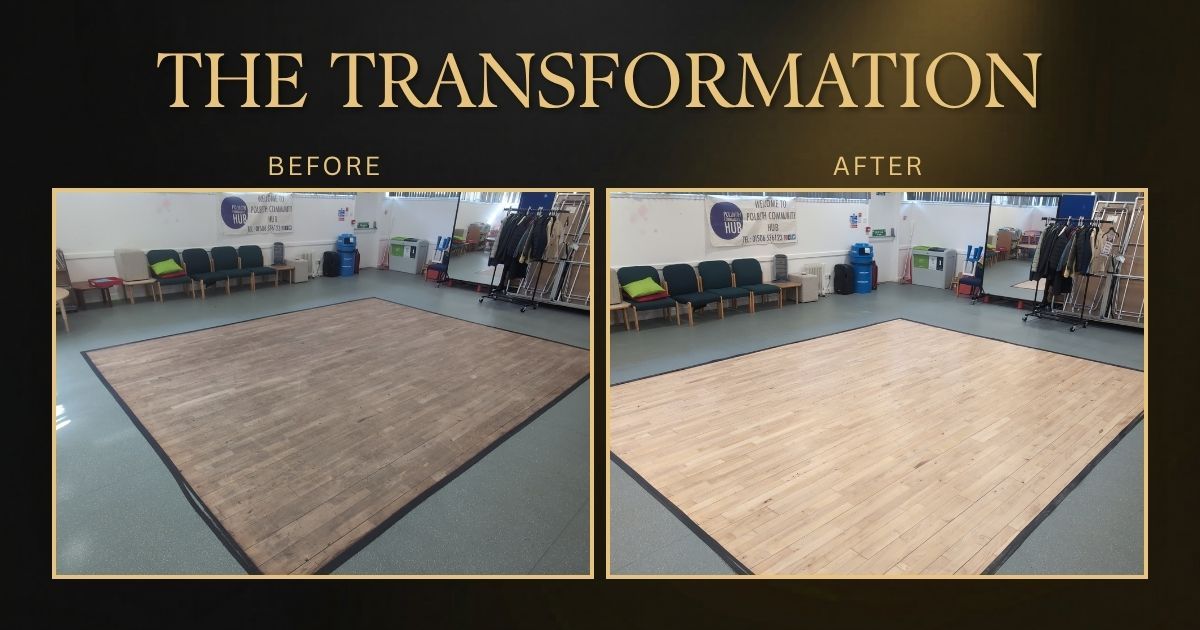


Thinking about your own floor?
Get in touch for a free survey and a fixed written quote within 24 hours.