Floor Sanding Tips · 8 min read
Why Dust-Free Sanding Is Essential for Healthy Scottish Homes
Traditional floor sanding spreads fine dust everywhere, causing health issues and cleanup nightmares. Modern dust-free sanding captures particles at source—delivering beautiful floors without the hazards.
Valesterra

Traditional floor sanding has a reputation problem. Mention it to anyone who's been through a renovation, and you'll hear horror stories: fine dust coating every surface, weeks of cleaning, family members with irritated eyes and respiratory complaints. That reputation kept wooden floors hidden under carpet for decades.
Modern dust-free floor sanding in Edinburgh changes everything. Using industrial extraction technology, professional sanders now capture particles at source—delivering beautiful floors without the health hazards or cleanup nightmares of older methods.
The Problem with Traditional Sanding
Sanding wood generates enormous quantities of fine particulate matter. A single room produces kilograms of dust, ranging from visible sawdust to microscopic particles invisible to the naked eye.
Without proper extraction, this dust:
Spreads throughout your home. Fine particles travel through doorways, up stairs, into wardrobes, and through ventilation systems. Even with doors closed and sheets hung, dust finds its way everywhere.
Settles into soft furnishings. Carpets, curtains, bedding, and upholstery all trap dust. Thorough cleaning requires professional deep cleaning or replacement—costs that rarely get factored into DIY sanding budgets.
Compromises finish quality. Dust settling on wet finish creates rough textures and visible imperfections. Achieving smooth results requires obsessive cleaning between coats—difficult when particles keep circulating.
Poses genuine health risks. Wood dust is classified as a respiratory hazard. Fine particles penetrate deep into lungs, causing irritation and potentially triggering asthma, allergies, and other respiratory conditions.
What Makes Sanding "Dust-Free"?
Dust-free sanding doesn't mean zero dust—some escape is inevitable. It means capturing the vast majority of particles at source, before they become airborne.
Professional dust-free sanding in Scotland achieves this through:
Industrial extraction at the sander. High-powered vacuums connect directly to sanding machines, sucking particles away the instant they're generated. Air velocity at the collection point prevents dust becoming airborne.
HEPA filtration. Hospital-grade filters trap particles down to 0.3 microns—far smaller than those visible to human eyes. Air returned to the room is cleaner than air extracted.
Sealed collection systems. Dust moves from sander to filter to collection bag in closed systems. Nothing escapes into your home.
Proper technique. Equipment alone isn't enough. Operators must maintain correct extraction throughout the job, ensuring connection points stay sealed and filters don't clog.
The result? Rooms where you can't tell sanding just happened, apart from the transformed floors.
Health Benefits of Clean Floor Sanding
For occupied homes—especially flats where escape is limited—clean floor sanding offers significant health advantages:
Respiratory protection. Fine wood dust irritates airways and can trigger or worsen asthma. Those with existing respiratory conditions particularly benefit from dust-free methods.
Allergy reduction. Wood dust itself is allergenic for some people. Combined with mould spores and other contaminants in old finishes, traditional sanding creates an allergen storm. Extraction eliminates this exposure.
No post-project illness. Many homeowners report feeling unwell for days after traditional sanding—headaches, congestion, irritated eyes. Dust-free sanding avoids this entirely.
Safe for vulnerable household members. Children, elderly relatives, and those with compromised immune systems can remain in the property during and after dust-free sanding. Traditional methods often require temporary relocation.
Practical Benefits Beyond Health
Health matters most, but dust-free sanding delivers practical advantages too:
Minimal cleanup. A quick vacuum and you're done. Compare this to days of deep cleaning required after traditional sanding—cleaning that never quite reaches dust hidden in corners and crevices.
Better finish quality. Dust-free environments mean cleaner finishing. Without particles settling into wet lacquer or oil, finishes cure smoother and more evenly.
Faster completion. Professional teams using dust-free systems work efficiently without stopping for cleanup between stages. Projects complete in less time, reducing disruption.
Furnishings stay put. With proper protection and dust-free methods, adjacent rooms often don't need emptying. Soft furnishings covered with basic sheeting stay clean.
Especially Important for Edinburgh Flats
Tenement flats across Edinburgh present particular challenges for floor sanding:
Shared walls and ceilings. Dust doesn't respect boundaries. Traditional sanding in flats can affect neighbours through shared extraction vents and gaps in structure.
Limited ventilation options. Unlike houses, flats often have windows on only one or two sides. Opening windows to clear dust simply blows particles into other rooms.
No escape routes. In a house, you might sand the ground floor while living upstairs. In a typical Edinburgh tenement flat, dust from living room sanding reaches bedrooms within hours.
Communal stairwells. Dust escaping into shared closes creates neighbour disputes and cleaning obligations. Dust-free sanding keeps your renovation from becoming a building-wide issue.
For all these reasons, dust-free floor sanding in Edinburgh isn't a luxury for flat dwellers—it's essential.
Our Extraction System
At Valesterra, dust extraction isn't an afterthought. Our industrial system includes:
High-capacity extraction unit. Our Bona dust containment system generates the suction needed for genuine dust-free operation—far beyond domestic vacuums or entry-level systems.
Direct sander connection. Both our belt sander and edger connect directly to extraction, capturing dust at every stage of the process.
HEPA filtration. Multiple filter stages trap even the finest particles, returning clean air to your home.
Continuous monitoring. We check extraction performance throughout every job, ensuring consistent dust capture from first pass to last.
This investment in equipment reflects our commitment to healthy home renovation. Your floors transformed, your home left clean.
Questions to Ask Any Sanding Service
If you're getting quotes for floor sanding in Edinburgh, ask specifically about dust control:
What extraction equipment do you use? Look for industrial-grade systems, not shop vacuums.
Is extraction connected to all machines? Edge sanders often get overlooked. Full dust-free sanding extracts from every tool.
Do you have HEPA filtration? Standard filters let fine particles through—exactly the particles that cause health problems.
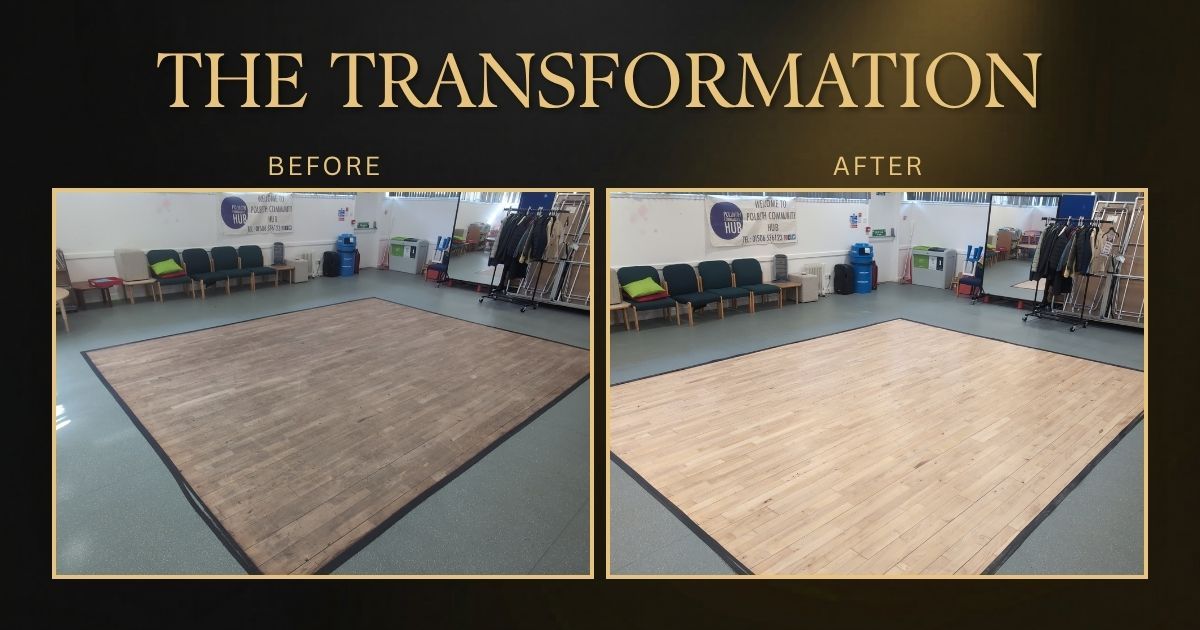
Can you show me photos of recent completed jobs? Dust-free operations leave rooms visibly clean. Heavy dust on skirting boards or windowsills indicates poor extraction.
Clean Sanding Costs No More
Here's the good news: professional dust-free sanding in Scotland costs the same as traditional methods from quality operators. The equipment investment has already been made. You're not paying extra for the health and convenience benefits—they come standard.
What you are paying for is professional service from operators who've invested in doing the job properly. That investment pays dividends in every aspect of your project, not just dust control.

Thinking about your own floor?
Get in touch for a free survey and a fixed written quote within 24 hours.