Floor Sanding Tips · 6 min read
Seasonal Flooring Care in Scotland: Preventing Moisture Damage Year-Round
Scotland's climate creates particular challenges for wooden floors. Learn how seasonal changes affect wood and what you can do to prevent cupping, gapping, and finish failure throughout the year.
Valesterra
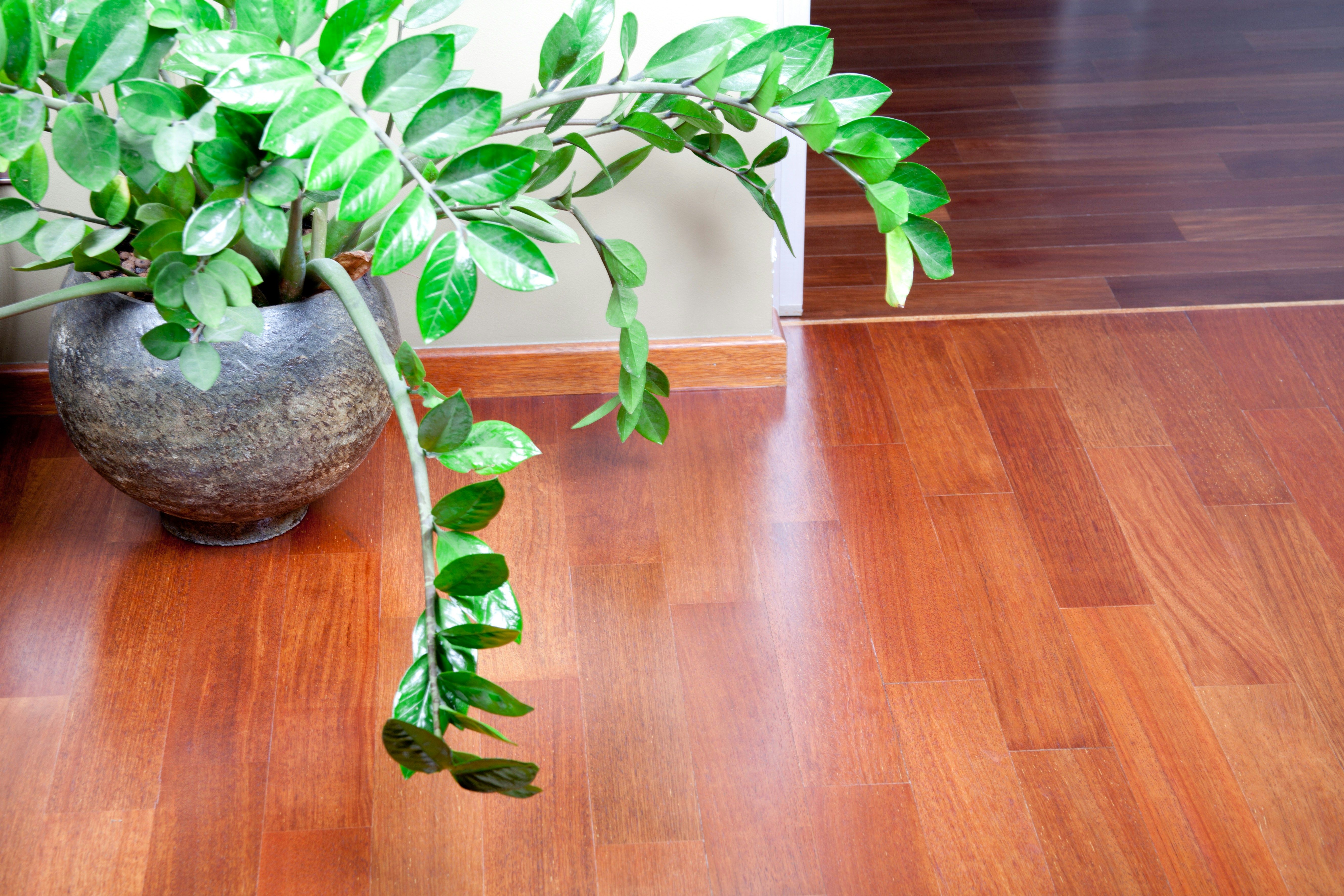
Scotland's climate creates particular challenges for wooden floors. The combination of humid summers, wet autumns, cold winters with central heating, and unpredictable conditions throughout means your floors experience constant environmental stress.
Understanding how seasonal changes affect wood—and what you can do about it—prevents common problems like cupping, gapping, and finish failure. This guide covers wood floor maintenance in Scotland through all four seasons.
How Scottish Weather Affects Wooden Floors
Wood is hygroscopic: it absorbs moisture from humid air and releases moisture into dry air. This constant exchange causes dimensional movement—boards expand when moisture content rises and contract when it falls.
In relative terms:
Summer humidity averages 75-85% in Edinburgh. Without management, indoor wood moisture content rises toward 14-16%—boards expand, pushing against neighbours.
Winter heating drops indoor humidity to 30-40%. Wood moisture content falls to 8-10%—boards contract, creating gaps that weren't visible in summer.
This seasonal swing of 4-6% moisture content translates to measurable expansion and contraction. A 150mm-wide pine board might vary by 2-3mm across seasons. Multiply that across a room, and you're looking at significant cumulative movement.
Spring: Transition Season
What happens: Temperatures rise but humidity often stays high. Heating use decreases, allowing indoor humidity to climb. Floors that contracted over winter begin reabsorbing moisture.
What to watch for: Gaps that opened in winter start closing. If expansion happens unevenly, boards may cup slightly. Finishes stressed by winter contraction can crack at joints as boards push back together.
Maintenance priorities:
Clean accumulated winter grit thoroughly. Fine particles trapped between boards act as abrasives, damaging finishes and board edges with foot traffic.
Check finish condition. Winter's low humidity may have caused micro-cracking. Spring is ideal timing for maintenance coats if needed—conditions are moderate and floors have time to cure before summer humidity peaks.
Open windows on dry days. After months of sealed winter conditions, allow fresh air circulation to prevent stale, moisture-laden air accumulating.
Summer: Humidity Season
What happens: Scotland's summers bring sustained high humidity—70-85% is typical, sometimes higher. Without management, indoor conditions match outdoor humidity. Wood floors absorb this moisture steadily.
What to watch for: Board edges rising (cupping) indicates moisture absorption. Tight joints between boards—previously invisible gaps now touching—show expansion. In severe cases, boards can buckle upward when expansion pressure exceeds friction holding them down.
Maintenance priorities:
Prevent floor cupping through humidity control. Running dehumidifiers maintains indoor humidity around 50-60%—comfortable for occupants and protective for floors. This is particularly important in tenement flats where stone walls and poor ventilation trap humidity.
Monitor moisture levels if you have a meter. Readings climbing above 14% for pine signal conditions likely to cause problems.
Address condensation sources. Drying laundry indoors, cooking without extraction, and showering without ventilation all add moisture to air that ends up in your floors.
Consider dehumidifier hire if you don't own equipment. Running industrial dehumidifiers for problem periods costs less than repairing moisture damage.
Autumn: The Critical Period
What happens: Temperatures drop but humidity often stays high—Edinburgh's autumns are notoriously damp. Heating comes back on, creating conflicting signals: walls and windows cold (encouraging condensation), air warming (increasing moisture capacity).
What to watch for: Condensation on windows indicates humidity levels likely causing floor problems. Musty odours suggest moisture accumulating in building fabric. This season catches many homeowners off guard—damage happening in autumn often doesn't become visible until spring.
Maintenance priorities:
Address humidity control before problems develop. Don't wait for visible cupping or mould. Proactive dehumidification during autumn prevents the moisture accumulation that causes winter and spring problems.
Clean and inspect floor surfaces. Autumn is your last good opportunity for finish maintenance before winter. Minor repairs now prevent worse damage when dry heating season stresses finishes.
Check ventilation paths. Extract fans in kitchens and bathrooms should work properly. Trickle vents in windows should be open. Any route for humid air to escape reduces moisture load on your floors.
Winter: The Drying Season
What happens: Central heating creates warm, dry indoor air. Humidity drops dramatically—often to 30-40%, sometimes lower with sustained heating. Wood floors release moisture steadily, contracting as they dry.
What to watch for: Gaps appearing between boards are normal and expected. Problems arise when gaps are excessive (indicating extreme dryness) or accompanied by finish cracking, board end splitting, or squeaking from movement.
Maintenance priorities:
Balance heating with humidity. Very dry indoor air damages floors and causes respiratory discomfort. Indoor plants, humidity trays near radiators, or room humidifiers can moderate extremes without creating moisture problems.
Avoid dramatic temperature swings. Coming home to a cold house and blasting heating creates rapid humidity changes. Consistent moderate heating is gentler on floors.
Don't panic about gaps. Seasonal gaps are normal in older properties. Gaps up to 2-3mm in winter that close in summer are annoying but not problematic. Persistent wide gaps suggest chronic low humidity or installation problems.
Protect floors from wet footwear. Winter brings mud, rain, and snow indoors. Mats at entrances and prompt cleanup prevent localised moisture damage and finish wear.
Year-Round Best Practices
Use consistent heating. Maintain temperatures between 15-20°C year-round where possible. Unoccupied second homes or rental properties left unheated suffer more from seasonal extremes.
Monitor humidity. Inexpensive hygrometers show indoor humidity levels. Target 45-55% year-round for optimal wood floor conditions. Readings consistently outside this range indicate problems developing.
Maintain finishes. Intact finishes slow moisture exchange, moderating seasonal movement. Worn or damaged finishes allow rapid moisture fluctuation, accelerating problems. Maintenance coats before damage becomes severe are far cheaper than full restoration.
Control moisture sources. Cooking extraction, bathroom ventilation, tumble dryer venting, and prompt leak repair all reduce moisture load on your home. Your floors benefit along with everything else.
Clean appropriately. Minimal water for routine cleaning. Damp mopping is fine; wet mopping introduces moisture that finishes weren't designed to handle. Never leave standing water on wooden floors.
When to Call for Help
Some situations need professional assessment:
Severe cupping that doesn't resolve as conditions change suggests chronic moisture imbalance—possibly rising damp, leaks, or subfloor moisture requiring professional diagnosis.
Finish failure across large areas indicates environmental conditions overwhelming your floor's protective coating. Understanding why helps prevent recurrence after restoration.
Structural movement—boards lifting, bouncing, or separating from subfloors—needs investigation before any cosmetic work.
Persistent high humidity despite running dehumidifiers may indicate building problems requiring specialist damp assessment.
Dehumidifier Hire for Seasonal Problems
If your property suffers chronic humidity problems—common in Edinburgh tenement flats and period properties—owning a dehumidifier makes sense. For occasional issues or intensive drying periods, hire provides powerful equipment without capital outlay.
Valesterra provides humidity control advice alongside dehumidifier hire across Edinburgh and the Lothians. We understand how Scottish properties and Scottish weather interact—and how to protect your floors through all seasons.


Thinking about your own floor?
Get in touch for a free survey and a fixed written quote within 24 hours.